What to Ask Your Electrician Before an EV Charger Installation
A Practical Guide for NZ Homeowners Switching to Electric Vehicles
As electric vehicles (EVs) become increasingly popular across New Zealand, more homeowners are exploring the idea of installing a dedicated home EV charger. It’s a smart choice—charging at home is more convenient, often cheaper, and gives you the confidence of a full battery every morning.
But before you install a charger in your garage or driveway, there are a few key things you need to understand. Not all homes are wired the same, and not every charger or setup will be right for your property. That’s why speaking with a licensed electrician before installation is crucial.
To help you make the right decisions, here are the most important questions to ask your electrician before getting an EV charger installed.
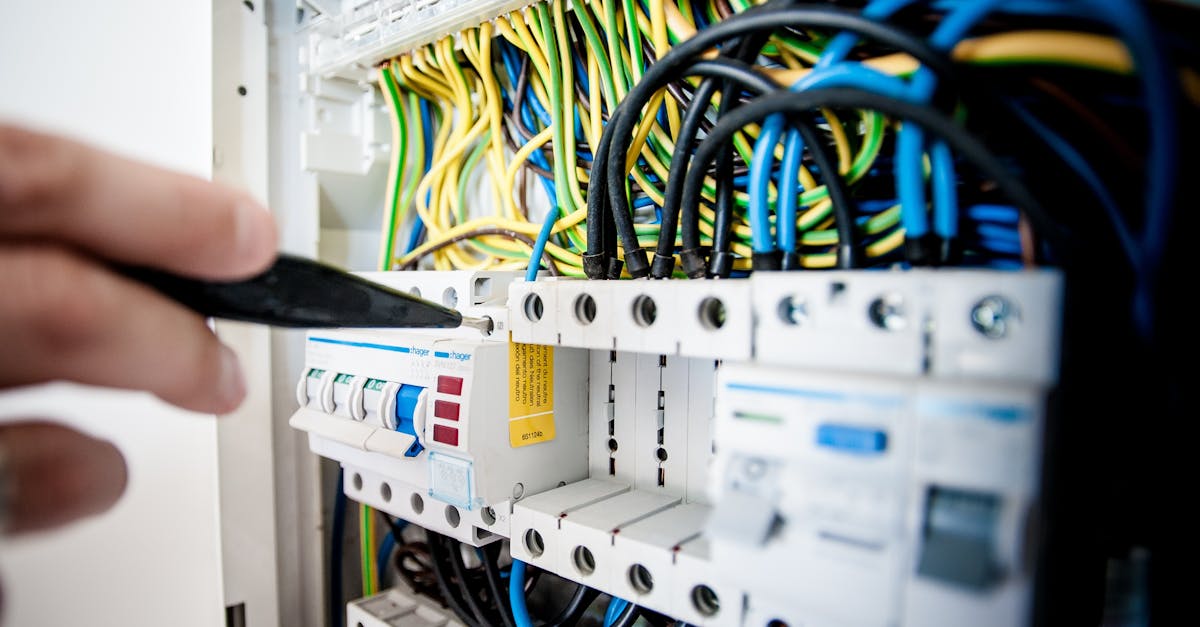
Is My Home’s Electrical System Ready for an EV Charger?
EV chargers require a steady and significant electrical load—often much more than older NZ homes were designed to handle. Ask your electrician to assess:
Switchboard capacity
Age and condition of wiring
Overload risks
Compliance with current safety standards
If your home has an older fuse-style switchboard or lacks RCD protection, an upgrade may be required. This isn’t just for convenience—it’s essential for safety.
Follow-up question to ask:
➡️ “Do I need a switchboard upgrade to support EV charging?”
What Charger Type Is Best for My Needs?
NZ homeowners typically choose from:
Level 1 (10A plug-in charger): Slow charging, suitable for small daily travel
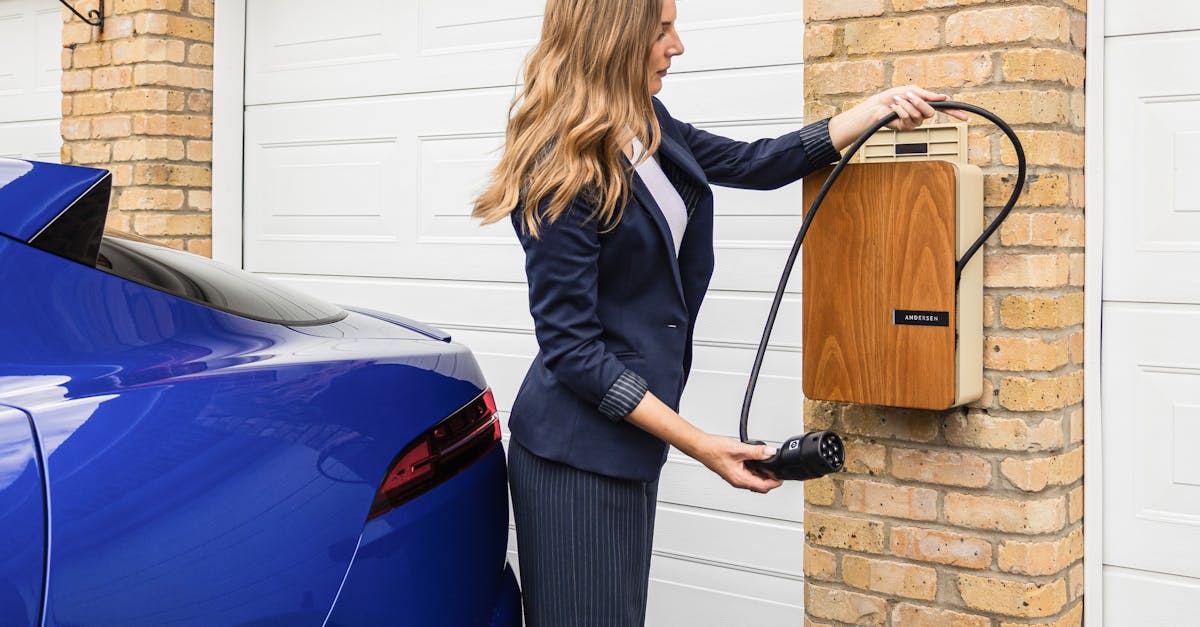
Level 2 (hard-wired wall charger): Much faster, ideal for most homeowners
Smart chargers: Allow control via app, load balancing & integration with solar
The right choice depends on your:
✔ Daily driving distance
✔ Battery size
✔ Future plans (another EV, solar, larger appliances)
✔ Budget
Ask your electrician:
➡️ “What charge speed can my home safely support?”
Where Should the Charger Be Installed?
Installation location affects cost, convenience, and compliance. Your electrician will consider:
Proximity to the switchboard
Cable run length (longer = higher cost)
Parking patterns
Exposure to weather
Accessibility for different drivers
If you have future EV plans, you might want to position cables or conduits in advance.
Ask your electrician:
➡️ “What is the most cost-efficient and future-proof installation location?”
How Will Installation Impact My Power Bills?
Charging at home is generally more affordable than public charging, but usage can add up. A knowledgeable electrician should help you with:
Load management options
Off-peak scheduling
Smart charging technology
Solar integration and battery storage compatibility
Follow-up question:
➡️ “Can I reduce costs by charging overnight or using solar generation?”
Do I Need a Dedicated Circuit?
To safely support a Level 2 charger, a dedicated circuit is normally required to prevent overload and nuisance tripping.
If your switchboard is already packed, you’ll need additional work—sometimes another sub-board for a detached garage.
Ask:
➡️ “Will the charger have a dedicated circuit and RCD protection?”
Will This Meet All NZ Standards and Electrical Regulations?
All EV charger installations in New Zealand must comply with AS/NZS 3000 (the Wiring Regulations) and WorkSafe guidelines. Also, you should receive:
Certificate of Compliance (CoC)
Electrical Safety Certificate (ESC)
These documents are essential for insurance and future property sales.
Ask:
➡️ “Will I receive CoC and ESC after installation?”
How Will EV Charging Affect Other High-Demand Appliances?
Add up appliances like:
Heat pumps
Induction cooktops
Hot tubs
Dryers
Home workshops
Pools
Underfloor heating
Charging an EV while these run may exceed your supply capacity. Your electrician may recommend load management, which temporarily adjusts charging based on household usage.
Follow-up:
➡️ “Do we need load balancing to avoid tripping or overload?”
What Are My Future Upgrade Options?
Even if you only have one EV today, planning ahead can save money later. Good considerations include:
Extra conduit installed now
Space left in the switchboard
Cabling sized for a faster charger
Preparing for a two-EV household
Ask:
➡️ “How can we make this installation future-proof?”
What Will the Total Installation Cost Be?
Costs vary based on:
Cable run distance
Wall type (brick, block, timber)
Wiring condition
Switchboard upgrades
Charger type
Weatherproofing needs
A ballpark range for NZ homes:
| Installation Type | Approx. Cost (NZD) |
|---|---|
| Basic install (short cable run) | $1,200 – $1,800 |
| Longer run / extra drilling | $1,800 – $3,000 |
| Switchboard upgrade required | + $1,200 – $2,500 |
Make sure your quote is detailed and transparent.
Ask:
➡️ “What exactly is included in the quote—labour, materials, permits?”
How Long Will Installation Take?
Most installs can be completed in half a day to one full day.
But if trenching, complex cabling, or upgrades are needed, timeframes may extend.
Ask:
➡️ “How long will the power need to be switched off?”
Final Thought: Choose a Qualified, EV-Experienced Electrician
Installing an EV charger isn’t a simple DIY project. It requires expert knowledge of electrical load, safety devices, and NZ compliance rules. Asking the right questions upfront ensures:
✔ A safer installation
✔ Faster charging performance
✔ Lower running costs
✔ A home ready for the future of transport
Whether you're preparing for your first EV or upgrading your home’s sustainability, choosing the right electrician makes all the difference.