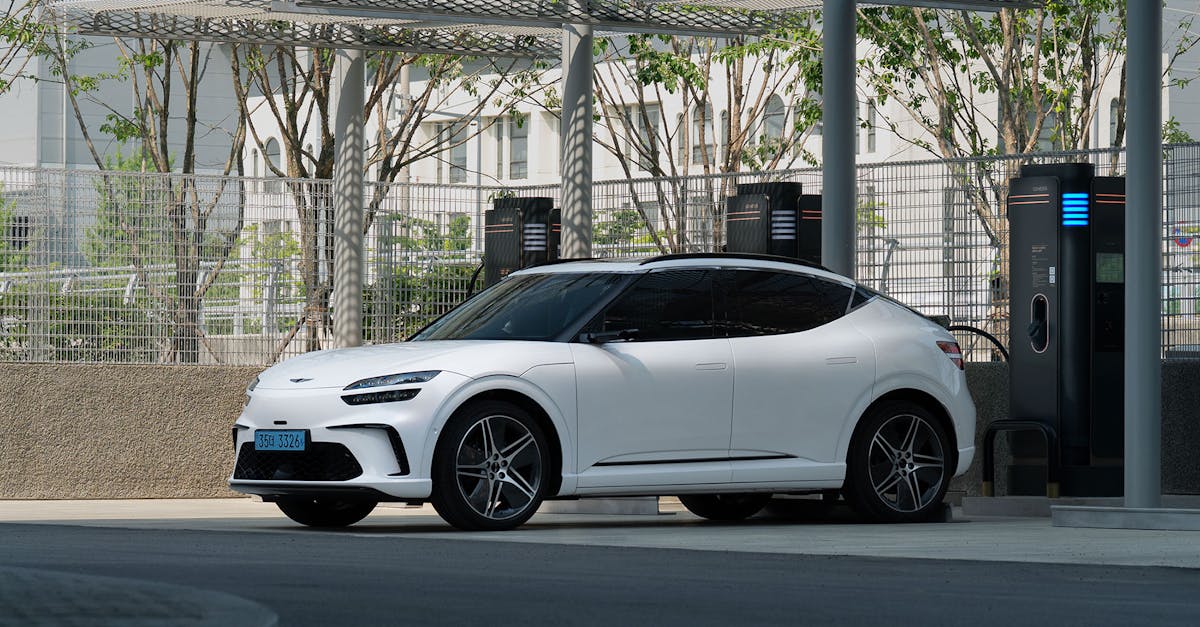
Why Level 2 Chargers Are the Best Choice for Home Installations
Table Of Contents
Compatibility with Various Electric Vehicles
Level 2 chargers boast an impressive compatibility range, making them suitable for various electric vehicles (EVs) on the market. This versatility allows homeowners to charge different brands and models without concern for compatibility issues. Most electric vehicles support the standardised charging protocols, enabling efficient energy delivery and optimising charging times. Having a charger that can accommodate a wide array of vehicles eliminates the need for multiple charging solutions, simplifying the home installation process.
Choosing a Level 2 charger means ensuring that it can cater to the evolving landscape of electric vehicles. As manufacturers innovate and introduce new models, a universally compatible charger remains future-proof. Homeowners investing in this technology can confidently transition to electric mobility, knowing their charging infrastructure will adapt to meet the needs of potential new vehicles. By opting for a Level 2 charger, families can experience hassle-free charging, maximizing convenience and minimising frustration.
Why Versatility Matters in Home Charging
Home charging solutions must accommodate a range of electric vehicles. Different manufacturers have varying plug designs, charging capacities, and onboard charging systems. A versatile Level 2 charger can cater to this diversity, allowing homeowners to charge multiple vehicle types without needing to invest in additional equipment. This adaptability makes it a practical choice for households with more than one electric vehicle, ensuring that all family members can easily charge their cars.
Flexibility in charging speed and functionality is equally important for modern electric vehicle users. Level 2 chargers typically offer faster charging times compared to standard outlets, significantly reducing downtime. Furthermore, many models come equipped with smart features such as scheduling, remote monitoring, and energy usage tracking, enhancing the overall charging experience. Homeowners appreciate the convenience that accompanies a charger that can grow and adapt to their changing needs.
Installation Considerations for Homeowners
When considering a Level 2 charger for your home, it is crucial to evaluate your electrical system. Most homes will require an upgrade to accommodate the power needs of a Level 2 charger, as they operate on a 240-volt circuit as opposed to the standard 120 volts found in regular outlets. Engaging a qualified electrician ensures that your home’s wiring can handle the increased load and adheres to local safety regulations. Furthermore, the placement of the charger should enable convenient access to your vehicle, whether in a garage or on the driveway, to facilitate hassle-free charging.
Cost is another pivotal aspect to weigh when planning for installation. Installing a Level 2 charger involves not just the price of the unit itself but also potential electrical upgrades or additional permits. Although initial expenses may be higher compared to Level 1 chargers, the faster charging capabilities and potential savings on electric bills over time can make it a worthwhile investment. Homeowners should consider researching local rebates or incentives that could offset installation costs, allowing for a more seamless transition to electric vehicle ownership.
Key Factors to Keep in Mind When Installing
When considering a Level 2 charger installation, it is essential to evaluate your home’s electrical capacity. Older homes may require electrical upgrades to accommodate the increased demand for power. A certified electrician can assess your system and recommend necessary modifications, ensuring the installation complies with local regulations and safety standards.
Another crucial aspect is the placement of the charger. It should be conveniently located near the parking area, allowing easy access while keeping a safe distance from any potential hazards. Consideration of weather protection is also important, especially in areas prone to heavy rain or sunlight. Installing the charger in a sheltered location can extend its lifespan and maintain optimal performance.
Environmental Impact of Electric Vehicle Charging
Electric vehicle charging plays a significant role in reducing carbon emissions, particularly when powered by renewable energy sources. The transition to electric vehicles reduces reliance on fossil fuels, which traditionally contribute to air pollution and climate change. By adopting Level 2 chargers at home, users can optimise their charging times, often running their vehicles during off-peak hours when electricity is often generated from cleaner sources such as wind or solar. This approach strengthens the overall sustainability of electric vehicles and supports a transition towards a greener energy grid.
Moreover, the increased adoption of electric vehicles helps to diminish noise pollution in urban areas. Traditional combustion engine vehicles generate significant sound, contributing to an unpleasant acoustic environment for many people. Level 2 chargers, with their relatively quick charging capabilities, encourage more individuals to switch to electric vehicles, thus fostering a quieter, more peaceful urban experience. Ultimately, enhancing the infrastructure for electric vehicle usage aligns with efforts to mitigate environmental impacts while promoting a more sustainable future.
How Level 2 Chargers Support Sustainable Practices
Electric vehicles play a crucial role in reducing greenhouse gas emissions, and the efficiency of charging infrastructure significantly influences their overall sustainability. Level 2 chargers, with their enhanced charging speed and compatibility, empower users to harness renewable energy sources more effectively. For instance, drivers can opt to charge during off-peak hours when solar or wind generation is at its height. This choice not only optimises the use of clean energy but also eases the load on the electrical grid.
Moreover, the widespread adoption of Level 2 chargers aligns with New Zealand's commitment to a cleaner environment. These chargers enable more efficient energy consumption, leading to lower overall carbon emissions from electric vehicles. By supporting the shift towards renewable energy, Level 2 chargers contribute to a more sustainable future. Homeowners who invest in these technologies are not just enhancing their personal convenience but also participating in a collective effort to combat climate change. In this way, they become part of a larger movement that prioritises environmental health.
FAQS
What is a Level 2 charger?
A Level 2 charger is a type of electric vehicle (EV) charger that operates at a 240-volt power supply, allowing for faster charging compared to standard Level 1 chargers, which use a standard household outlet.
Are Level 2 chargers compatible with all electric vehicles?
Yes, Level 2 chargers are generally compatible with most electric vehicles available on the market today, including popular models from various manufacturers. It's always best to check the specific charging requirements of your vehicle.
What installation considerations should homeowners keep in mind?
Homeowners should consider factors such as the location of the charger, electrical panel capacity, permitting requirements, and potential upgrades to their electrical system. Consulting a qualified electrician can help ensure a safe and efficient installation.
How do Level 2 chargers support sustainable practices?
Level 2 chargers promote sustainable practices by enabling faster charging with the potential to use renewable energy sources. Many homeowners can align their charging times with off-peak hours when electricity demand is lower and use solar panels for charging.
Can I install a Level 2 charger myself?
While some homeowners may have the skills to install a Level 2 charger themselves, it is recommended to hire a licensed electrician to ensure compliance with local codes and safety standards for electrical work.
Related Links
Round Up of Common Myths About EV Charger InstallationWhat to Do If Your EV Charger Has a Problem