How to Calculate the Cost of Installing an EV Charger
Table Of Contents
Exploring Government and Local Programs
Various initiatives exist to support the installation of electric vehicle chargers in New Zealand. Government bodies offer grants and rebates designed to reduce the initial investment. Local councils may also implement programmes that provide financial assistance for residents looking to switch to electric vehicles. These efforts demonstrate a commitment to promoting sustainable transport, making the transition more financially viable for the average homeowner.
It's essential to research specific programmes available in your area since incentives can vary greatly. Some regions may even have partnerships with local businesses or non-profits aimed at enhancing the accessibility of EV infrastructure. Engaging with local authorities can unveil opportunities not only for subsidies but also for community initiatives that encourage the adoption of electric vehicles. By tapping into these resources, homeowners can significantly reduce the costs associated with installing a charging point.
Various government and local programmes offer incentives for the installation of electric vehicle chargers. These initiatives can significantly offset initial costs. In New Zealand, local councils often promote the adoption of EVs through rebates or grants. Many utilities also provide financial assistance or reduced rates for electricity used in charging electric vehicles. Evaluating these opportunities can enhance the affordability of installation and encourage more residents to consider EV chargers as a viable option.
The long-term savings associated with driving an electric vehicle are noteworthy. Reduced fuel costs play a pivotal role in these savings, especially in comparison to traditional petrol vehicles. Maintenance expenses tend to be lower as electric vehicles have fewer moving parts. The overall financial benefits can accumulate over time, making the upfront investment more justifiable. Understanding these factors can empower homeowners to make informed decisions about installing EV chargers.
Long-term Financial Benefits
Investing in an EV charger can lead to significant long-term savings for consumers. Electric vehicles generally have lower fuel costs compared to traditional petrol or diesel cars. The rising cost of fossil fuels makes this benefit increasingly compelling, especially as more drivers switch to electric options. Additionally, the maintenance costs associated with EVs tend to be lower, as they have fewer moving parts and do not require oil changes. This can result in reduced overall upkeep expenses for the vehicle owner over time.
Government incentives and rebates can further enhance the financial prospects of installing an EV charger. Many local councils and agencies offer grants or subsidies that can offset installation costs. These financial incentives, combined with potential reductions in energy bills from using home-generated solar power, can result in a more favourable return on investment. As the market matures and battery technology improves, the expected appreciation of electric vehicles may also contribute positively to their overall financial viability as long-term assets.
Calculating Savings on Fuel and Maintenance
Assessing fuel savings involves comparing the cost of charging an electric vehicle to traditional petrol or diesel prices. In New Zealand, electricity costs are generally lower than the per-litre price of petrol, leading to significant savings over time. Home charging can further enhance this benefit, as night rates for electricity are often cheaper. By calculating the kilometres driven and the equivalent amount of energy consumed, owners can gain a clearer picture of how their expenses shift when transitioning to an EV.
Maintenance costs also present an interesting area for savings. Electric vehicles have fewer moving parts compared to internal combustion engines, which reduces the need for routine services like oil changes and exhaust system repairs. Moreover, regenerative braking systems in EVs contribute to lower brake wear and thus extend the lifespan of braking components. This diminished maintenance frequency can lead to substantial savings over the lifespan of the vehicle, making the transition to an electric vehicle economically advantageous.
Comparing DIY vs Professional Installation
Choosing between a DIY approach and hiring a professional for installing an EV charger involves assessing both skills and resources. Many homeowners with a robust understanding of electrical systems may feel confident tackling the installation themselves. However, without the right experience or tools, this path may lead to costly mistakes or even safety hazards. Moreover, understanding local regulations adds a layer of complexity that could make a DIY project more challenging than anticipated.
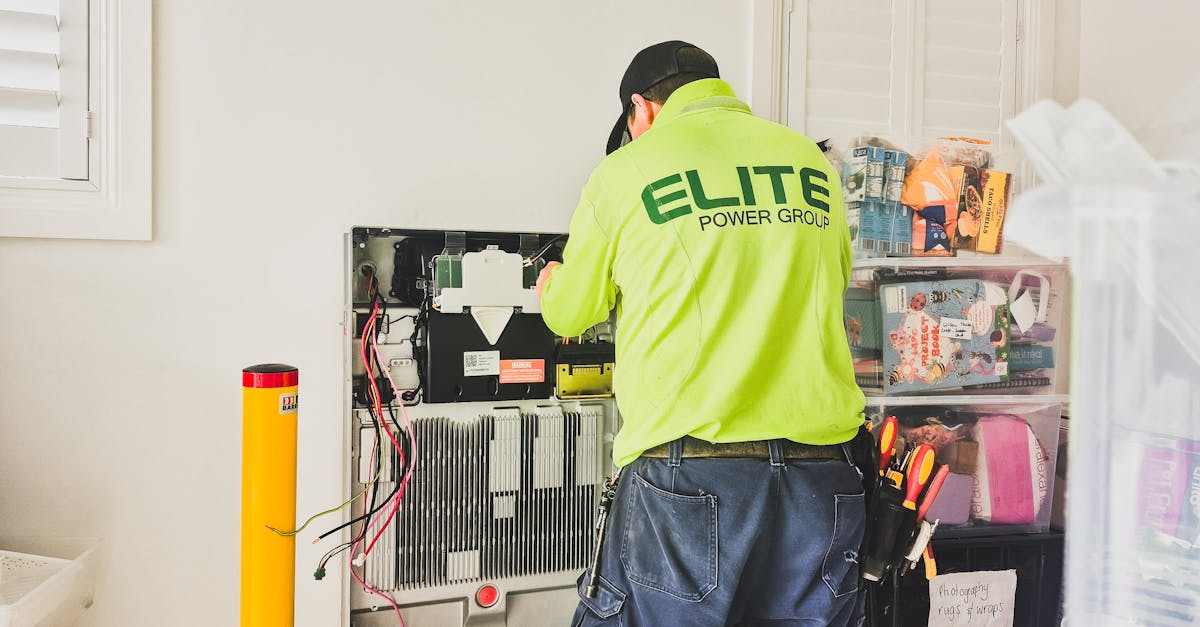
On the other hand, engaging a professional installer ensures that all aspects of the installation meet safety standards and local codes. Experts can provide valuable advice on optimal charger placement and the best models suited for specific needs. Although professional installation incurs an upfront cost, the peace of mind from knowing the job is done correctly and efficiently often outweighs the initial expense. With guaranteed compliance to regulations and enhanced safety, many homeowners find the investment in professional services well worth the cost.
Weighing Risks and Rewards of Each Approach
When considering DIY installation for an EV charger, the potential savings on labour costs can be tempting. Enthusiasts with a solid understanding of electrical work might find it manageable. However, the complexity of local regulations and safety standards can lead to costly mistakes if not properly navigated. A poorly installed charger can not only pose safety risks but may also void warranties, leading to higher expenses in the long run.
Opting for professional installation brings expertise and peace of mind. Licensed electricians are familiar with local codes and can ensure the installation meets the necessary regulatory requirements. While this approach requires a higher upfront investment, it can save time and prevent potential hazards. Homeowners must weigh the immediacy of costs against the long-term reliability and safety that comes with expert knowledge.
FAQS
What factors should I consider when calculating the cost of installing an EV charger?
When calculating the cost of installing an EV charger, consider factors such as the type of charger (Level 1 vs Level 2), installation location, electrical upgrades needed, local permits, and any applicable rebates or incentives.
Are there any government programs available to help with the cost of installing an EV charger?
Yes, there are various government and local programmes in New Zealand that offer financial incentives or rebates for installing EV chargers. It's advisable to check with your local council or government websites for the latest information on available programmes.
What are the long-term financial benefits of installing an EV charger at home?
Installing an EV charger at home can lead to significant long-term savings on fuel costs, as electricity is generally cheaper than petrol or diesel. Additionally, electric vehicles typically have lower maintenance costs, which can further contribute to savings over time.
Is it better to install an EV charger myself or hire a professional?
While DIY installation can save money, hiring a professional ensures that the installation is safe and complies with local electrical codes. Weighing the risks and rewards of each approach is essential, especially if you're not experienced with electrical work.
How can I calculate my potential savings on fuel and maintenance after installing an EV charger?
To calculate potential savings, compare your current fuel costs with the estimated electricity costs for charging your EV. Additionally, consider the reduced maintenance costs associated with electric vehicles, such as fewer moving parts and no oil changes.
Related Links
What to Know About Government Incentives for EV Charger InstallationReview of the Top EV Chargers Available in New Zealand
What to Ask Your Electrician Before an EV Charger Installation